
A sewing machine is one of the most important tools for tailors, fashion students, home designers, and small businesses. Whether it is a simple domestic model or a heavy industrial machine, regular care plays a big role in how well it performs. Studies from global sewing equipment manufacturers show that almost 65 percent of machine problems come from poor maintenance. The good news is that most of these issues can be prevented with simple daily habits.
If you use a sewing machine in Oman, especially in cities like Muscat where dust and humidity can affect performance, proper care becomes even more important.
In this guide, you will learn practical and easy steps to keep your sewing machine smooth, safe, and long lasting. These tips work for every type of machine including a stitching machine, computerized embroidery machine, or basic mechanical unit.
Understand Your Sewing Machine’s Basics
Before you start maintaining your machine, it helps to know the basics of how it works. Each model is different, but most machines follow the same system of needle movement, threading path, and bobbin mechanism. If you use an embroidery machine, you may have additional sensors or a computerized panel that also needs care. Taking five minutes to read the manual will save many hours of repair later.
Many tailors in Oman use industrial straight stitch machines while others prefer domestic compact machines for home use. Each one needs a different level of cleaning and oiling, so understanding the difference helps you care for it correctly.
Daily Care Habits Every User Should Follow
Small daily actions make the biggest difference. After every sewing session, wipe the machine to remove lint and tiny fabric threads. These small particles are the number one reason for jamming and needle breakage. Keeping your machine covered when not in use is another simple step to protect it from dust, especially in areas like Seeb, Ghala, Muttrah, and Al Khuwair where climate can bring more particles indoors.
Avoid placing the machine near humid areas. A study from sewing equipment brands showed that machines exposed to moisture require servicing 30 percent more often. A stable, dry space keeps your machine healthier for years.
Cleaning the Most Important Parts
A clean sewing machine runs smoother and produces better stitches. Start by removing the needle plate. This is where lint collects the most. Use a small brush or soft cloth to clean the feed dogs. Do not blow air directly because it pushes dust deeper into the machine.
Clean the bobbin case gently and remove any thread fragments. If you use a stitching machine for long hours, clean this area daily. Industrial machines often collect more lint due to higher speed, so regular cleaning is essential.
How and When to Oil Your Sewing Machine
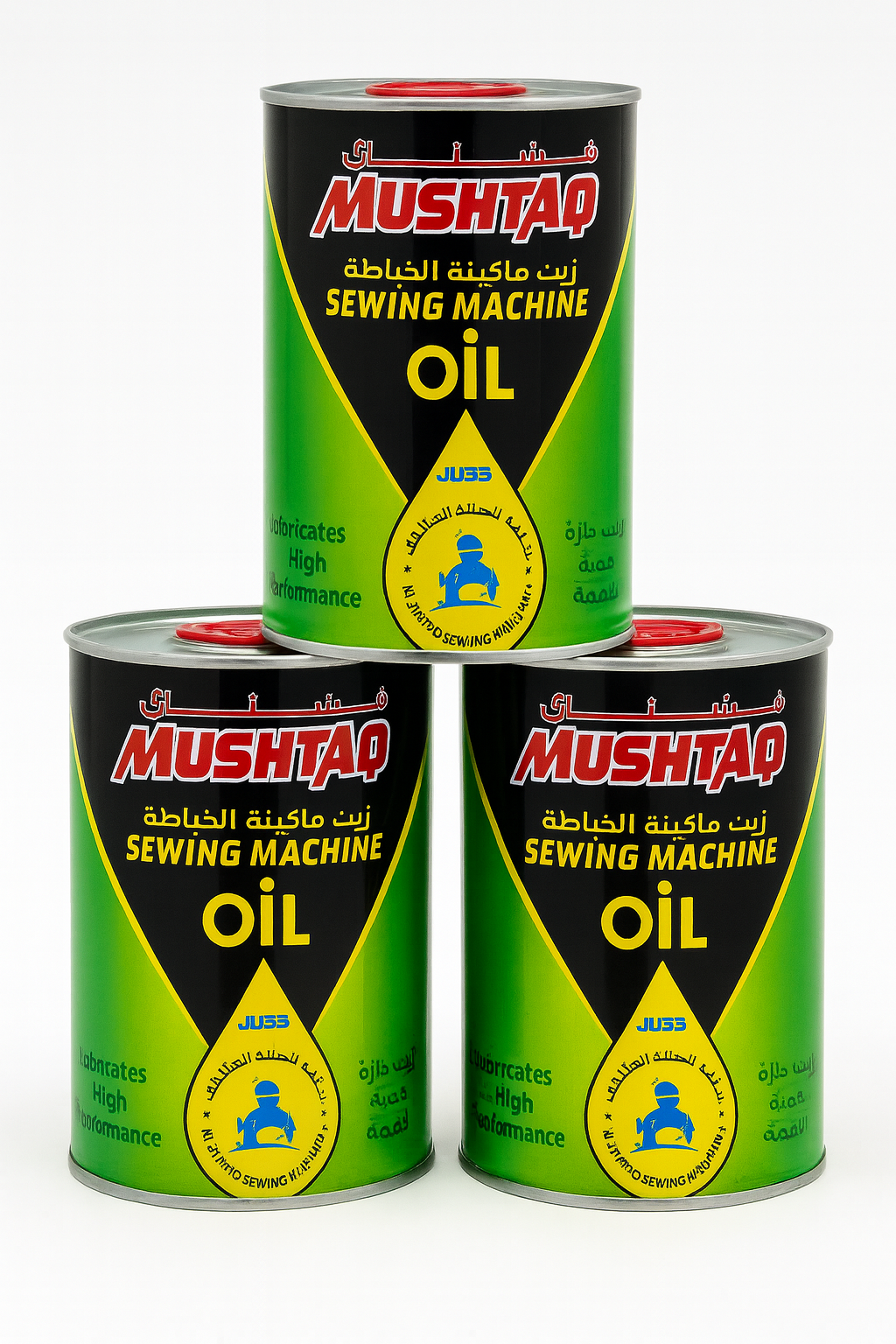
Oiling keeps your machine soft and silent. Many machine manufacturers recommend oiling after every eight hours of usage for industrial models. Domestic machines usually need oiling once every few weeks depending on your workload.
Use only sewing machine oil. Never use cooking oil or hardware oil because they can damage internal parts. Apply small drops to the points marked in the manual. Some modern machines do not require oiling, especially electronic or embroidery models, so always check instructions before doing anything.
Correct oiling reduces friction and extends the life of your sewing machine by up to 40 percent according to industry research.
The Importance of Changing Needles Regularly
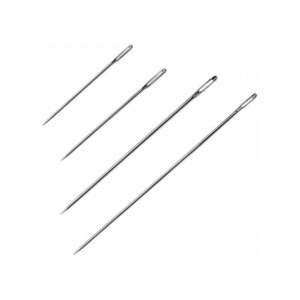
Needles look simple, but they affect almost 50 percent of the stitch quality. A dull needle can damage fabric, skip stitches, or cause thread breakage. Many tailors forget to replace needles until the machine starts causing problems.
As a general rule, change the needle after every eight hours of stitching or after two to three big projects. If you work with denim, abaya fabric, or thick uniform materials, you may need to change it more frequently. Using the right size needle for the right fabric also helps your stitching machine perform better.
Keeping the Tension System Healthy
If your stitches look loose on the top or bottom, tension may be the problem. Dust inside the tension discs is a common issue in busy tailoring shops. Gently run a piece of thick thread or dental floss between the discs to remove hidden lint. This simple step can fix uneven stitches instantly.
Avoid adjusting tension too often unless necessary. Wrong tension settings can create more challenges, especially for beginners.
Preventing Thread Breakage and Tangles
Thread breakage is one of the most frustrating issues for tailors. Research shows that low quality thread increases the chance of breakage by almost 60 percent. Old threads can also dry out and snap easily.
Using high quality thread, checking the threading path, and making sure the machine is cleaned properly will give you smoother stitching results. If you use an embroidery machine, select threads made specifically for embroidery because they are designed for high speed and detailed work.
Caring for Industrial Sewing Machines
Industrial machines are built stronger but also require more attention because they run for long hours. Check the motor and belt regularly. Clean the machine head and ensure the oil levels are correct. If you hear unusual noise or vibration, stop using the machine and inspect it or call a technician.
Examples of common industrial machines in Oman include walking foot machines for upholstery, straight stitch machines for tailoring shops, and overlock units for garment finishing. Each one needs proper routine care to stay efficient.
When to Call a Professional Technician
Some issues should not be fixed at home. If your sewing machine produces a burning smell, uneven stitch formation, oil leakage, or frequent thread jams, it may need professional servicing. Technicians can open deeper parts of the machine, adjust timing, clean the internal mechanism, and restore performance.
Professional servicing once or twice a year can increase the lifespan of your sewing machine significantly.
Expert Tips for Long Term Durability
Here are simple habits that extend your machine’s life:
Use the correct needle size for each fabric, avoid sewing pins directly, stay within recommended speed, follow a maintenance schedule, and always use original spare parts to prevent damage.
Final Thoughts
Taking care of your sewing machine is not complicated. With regular cleaning, proper oiling, the right needles, and occasional professional servicing, your machine can last for many years while giving smooth and beautiful results. Whether you work on traditional clothing, school uniforms, or embroidery designs, a well maintained machine saves time and prevents unnecessary repair expenses.
If you are looking for a reliable sewing machine in Oman or need expert support in maintaining your existing machine, Mushtaq International LLC has been serving tailors, designers, and businesses in Muscat for over fifty years. We offer high quality sewing machines, stitching machines, embroidery machines, and accessories from trusted brands along with technical support, delivery, and after sales care.
Our long standing reputation makes them one of the trusted sewing machine dealers in Oman for both professionals and businesses.